Axolotl Care Sheet
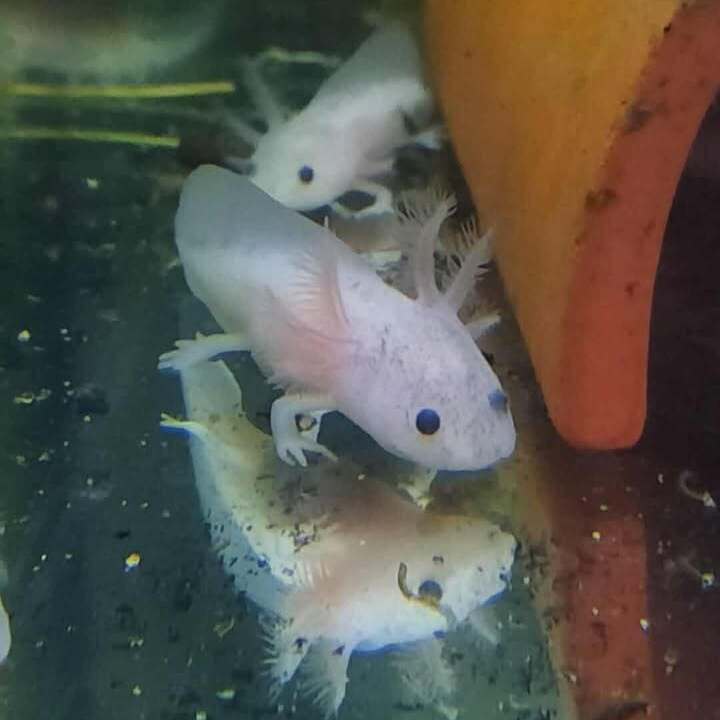
Axolotls are one of the most unique aquatic pets you can own. Known for their feathery external gills, calm nature, and incredible ability to regenerate limbs and even parts of their organs, axolotls are unlike any other species commonly kept in home aquariums. Growing up to 30cm in length and living for 10–15 years when properly cared for, they are a long-term commitment that requires thoughtful setup and consistent care
Environment:
At the core of axolotl care is maintaining a stable and suitable environment. Axolotls require cool water, ideally between 15–18°C, and temperatures not exceeding 20°C for extended periods. Warmer water temperature can cause stress, weaken their immune system, and increase the risk of illness, making thermometers a necessity. In warmer months, cooling methods such as fans or aquarium chillers may be needed.
Tank size also plays a major role in their wellbeing. The minimum recommended tank size is 65L for one axolotl, although 110L or more is strongly recommended. Larger tanks provide better water stability, dilute waste more effectively, and create a more comfortable environment overall. Because axolotls spend most of their time on the bottom, a long, wide tank is preferable over a tall one
The tank needs to be free of chlorine before adding the axolotl, using Seachem Prime with every water change is perfect and Seachem Stability will help to cycle the tank and make the water safe for your new addition. They require weekly water changes of 20%. Using a gravel siphon to clean any waste off the bottom of the enclosure will help to keep the water cleaner.
It is important to never completely change the water of the whole tank. This will remove beneficial bacteria that live in the tank and reset the nitrogen cycle, which could kill your axolotl. If you have any concerns about your water condition, you can get test kits which check the water parameters that affect the health of axolotls. If you are local we are happy to do this free of charge in store.
You need to use a filter inside the tank which removes waste and bacteria. A filter also aerates the water so your axolotls can breathe.
The aquarium should be bare bottom with no substrate until the axolotl is at least 15cm in size at which stage sand can be added. This is essental as they will eat anything that will fit into their mouths and they will not be able to digest it making them very sick. Providing a cave or hiding place is great for them. Any other decorations need to be smooth to ensure they do not cause any damage to the axolotl while swimming and again big enough that they will not fit inside their mouths.
Food:
We are currently feeding them live white worms (their favourite), Repashy grub pie, blood worms and Maximum Pet Supplies branded Axolotl pellets. Once they get bigger then you can feed earthworms.
Recommended Products:
To see all other products needed for your axolotl click here Frogs and Reptiles
Posted: Tuesday 12 March 2024